Summer 2026 | Volume 1: Issue 1
PRHSI

Est. 2025
The Rocks Report
Journal of the Painted Rocks Historical Site, Inc.
Download the original PDF8 pages · 5.5 MB

From the Chair
We introduce this journal as one more “rock in the foundation” to help us share the Painted Rocks. Since my mother, Kay Campbell, passed away in 2024, I have been working with my wife, Judy, sons, Auggie and John, and my niece and nephew, Jill and Steven, on ways to strengthen our family’s effort to preserve and share the site owned by our family since the 1870s. Our family is grateful for the help of friends and leaders over the years, and especially for their help in establishing this nonprofit, the Painted Rocks Historical Site, Inc. PRHSI will give more people more ways to learn and get involved at the site. Thanks to everyone who has helped so far. We invite you all to learn more about the Rocks and see how you can get involved.
Bill Campbell,
PRHSI Board Chair
The Paint Rock field trip was a unique and special experience [that] cannot be replicated within the bounds of a classroom or on the grounds of a college campus.
Upcoming Events
Events as listed in the Summer 2026 issue. For current dates, see Events.
How Bill Campbell Found His Interest in the Painted Rocks
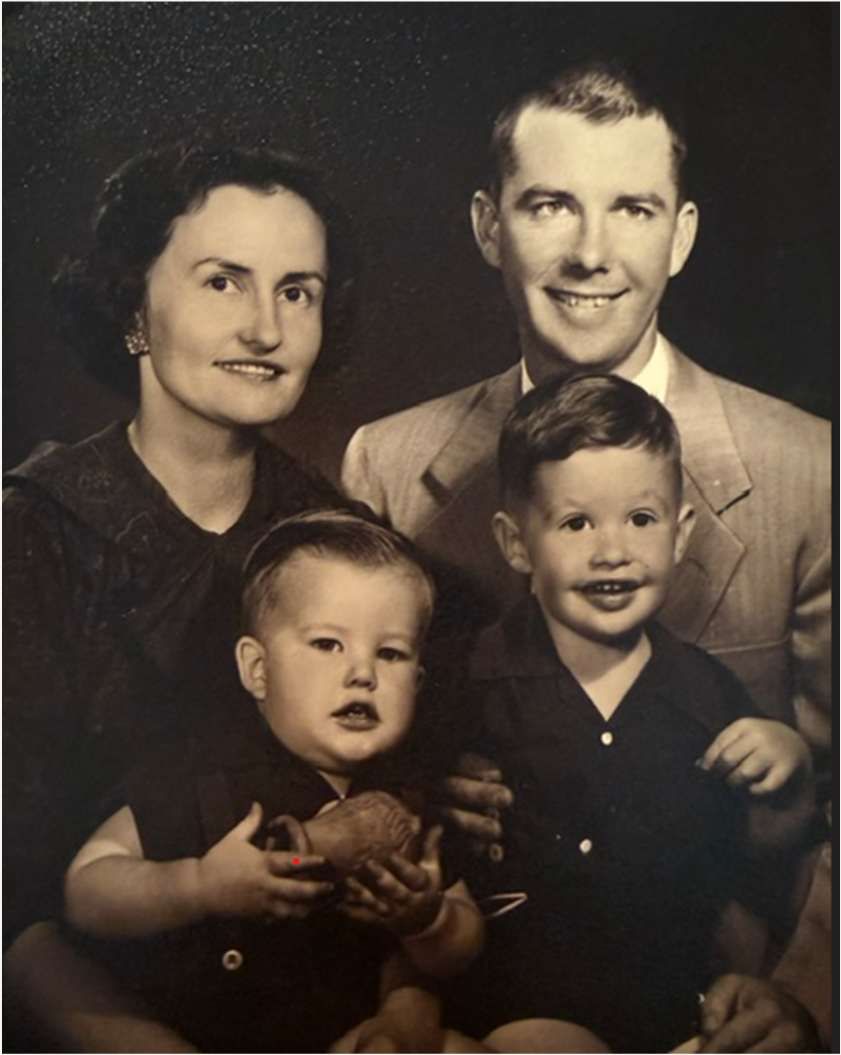

Fred and Kay Campbell, my parents, moved my brother Scott and me, from Rocksprings, Texas, to Paint Rock in 1962. Scott was eight, and I was 10. Moving to Paint Rock would allow Dad to ranch and farm and give Mom a chance to run a business based on giving tours at the Painted Rocks. Before the move, I didn’t really pay attention to the “Rocks.” I was focused on starting my cowboy career, but more often than I initially wanted, I found myself hanging around Mom as she took people to the Painted Rocks. Honestly, I was bored.
To support tours, Mom purchased a new Chevrolet Greenbrier Van. In a roundabout way, that van ended up drawing my interest to the bluff. The Greenbrier was Chevy’s first van. Chevrolet published and mailed out a national magazine to all its recent car buyers, and this magazine decided to write an article based on Mom’s van. The journalists writing the article asked about a local model, perhaps a young woman, and someone suggested “Miss Wool.”
Miss Wool was a beauty pageant based in San Angelo, Texas, that was intended to promote the Sheep and Wool industries. The reigning Miss Wool came out to Painted Rocks with her father, who was none other than Hondo Crouch, the future owner of LUCKENBACH, TEXAS. Mom reminded me about Hondo after I bought Jerry Jeff Walker’s record, “Viva Terlingua,” famously recorded in Luckenbach.
At this time, the Bluff was overgrown with brush, mesquite, and prickly pear, and many pictographs were not visible. An Abilene Explorer Scout group leader, Mr. Cogdell, contacted Mom and Dad about allowing the Explorers to “conduct brushwork” on the Bluff. Mr. Cogdell and those Explorers carefully removed vegetation to make the paintings more visible to visitors. It got the family started working on what seems to be a never-ending job of pruning down and controlling all the brush that grows on the Painted Rocks.
Since then, I’ve gotten much more interested in the Rocks. I’ve been lucky to accompany so many interesting, thoughtful, and helpful people as they create their own stories at the Bluff. We hope you enjoy the Journal and the stories we find interesting and helpful.
The summer solstice is a slow time for solar markers. A turtle pictograph is an exception.
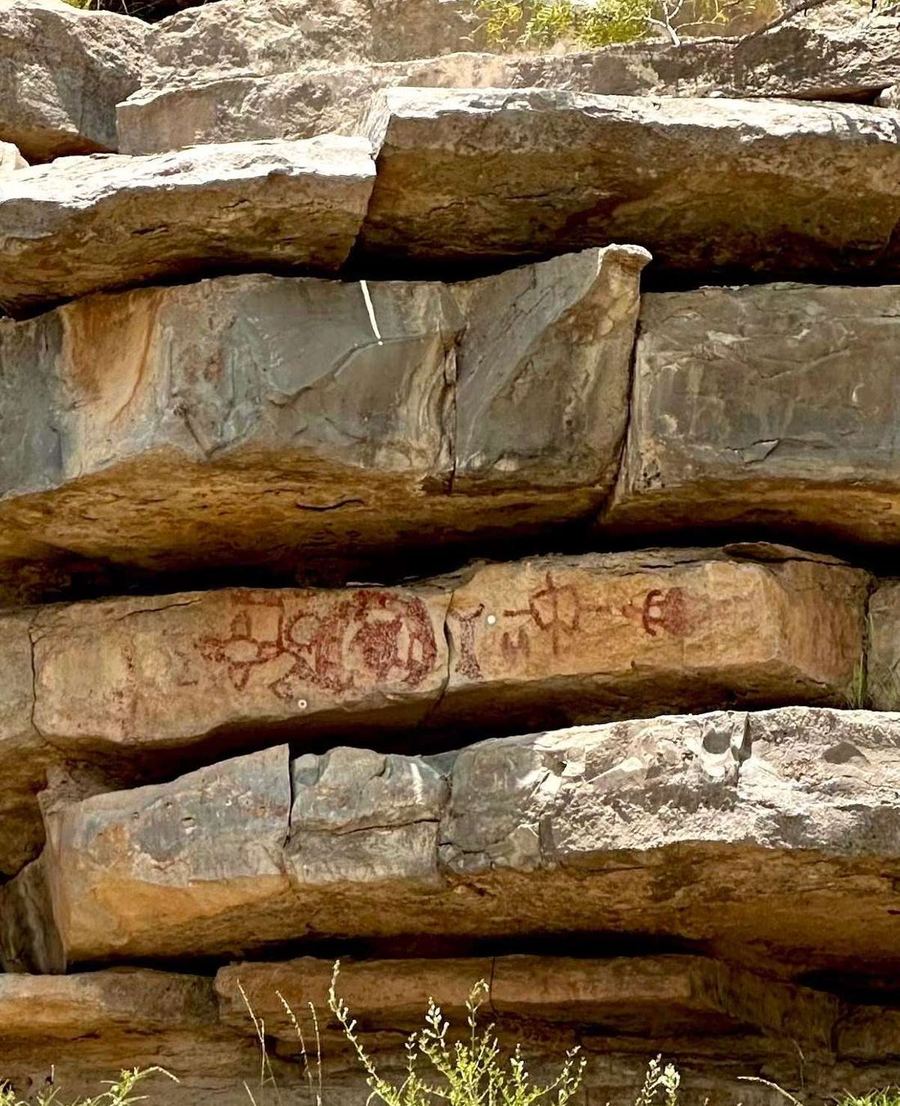
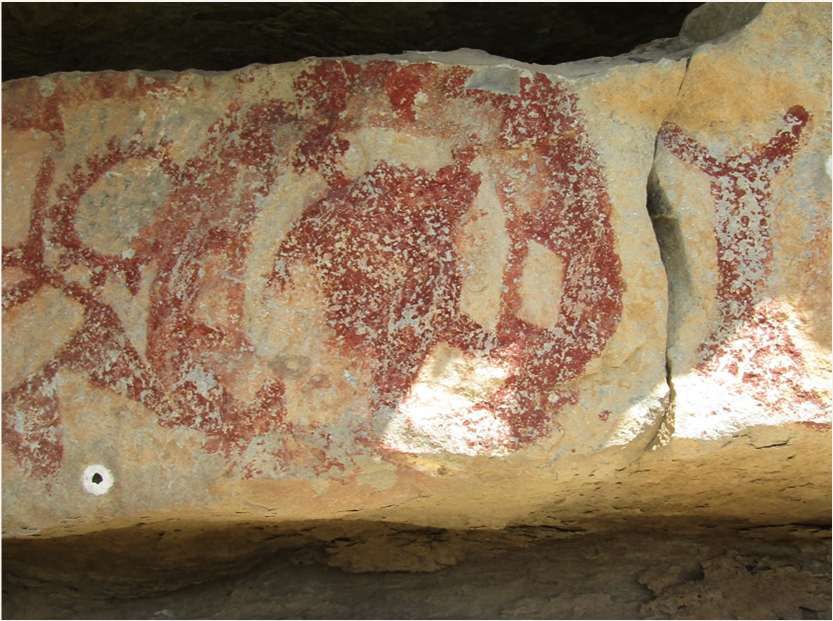
The Painted Rocks are on a south-facing bluff, which means that sun interactions are far less common in the summer than in other seasons. The only summer solstice solar interaction PRHSI is currently aware of is the “Turtle” panel. The turtle panel has two interactions: (1) lines appear above and below the turtle on the summer solstice; and (2) a sun ray completely fills the area below the turtle on equinox.
Kay Campbell said that this pictograph represented a myth about the sun riding on the turtle’s back on the summer solstice. PRHSI board member and Shumla researcher, Kim Cox, has noted that the Zuni and Hopi have summer solstice rituals involving tortoises and notes several connections between customs of Zunis and Hopi and Painted Rocks pictographs. Cox says no other turtle pictographs are found on the bluff, but there are other interpretations.
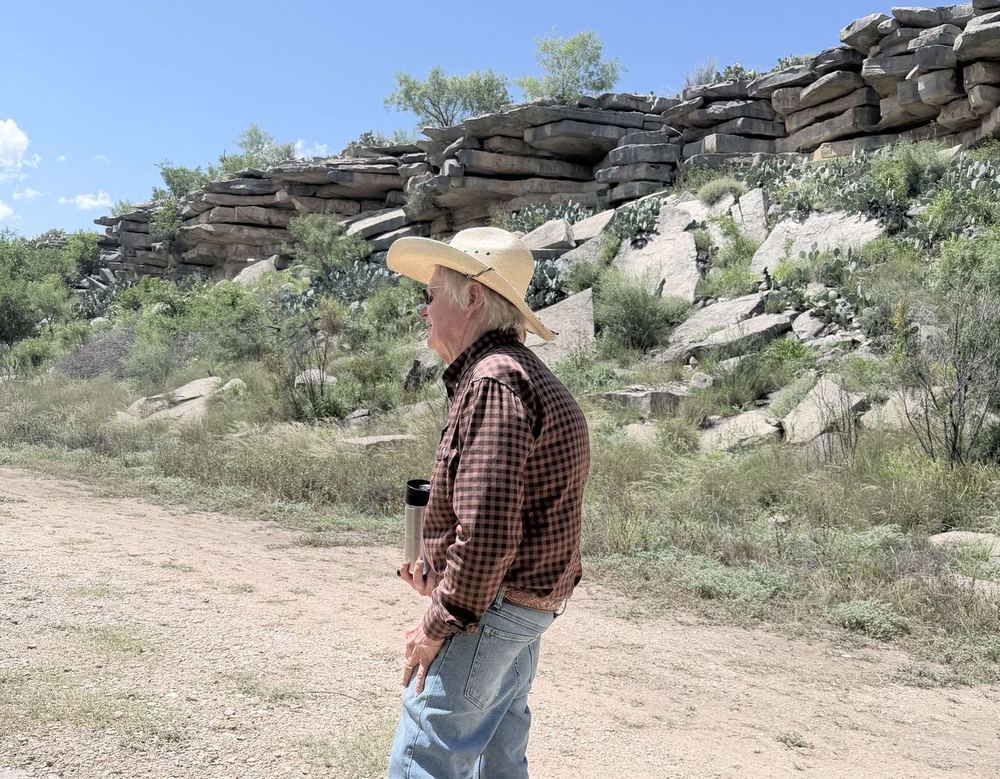
Bill Campbell led a special tour on this summer solstice, and Prof. Jeremy Elliott assisted and discussed some of his research.
Planning for the future of the Painted Rocks.

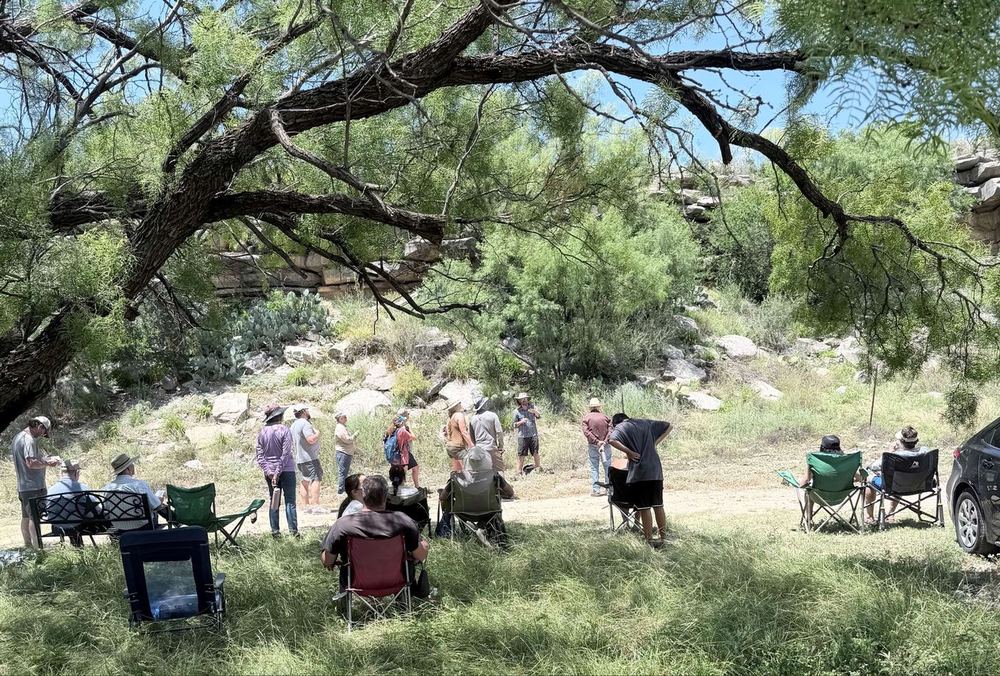
Starting a non-profit for an archeological site is a rare occurrence. While many PRHSI board members have deep experience in a variety of areas, from archeology to law and finance, developing a vision for an organization with PRHSI’s mission felt foreign. Even before PRHSI officially formed, the founders discussed the need for a master plan to set a clear path for the site, to develop ways to sustain their efforts to preserve the site, and to outline their desire to work with tribal groups and researchers interested in the site. The first year of PRHSI’s official existence focused on bylaws, policies, and processes to achieve immediate mission-oriented needs. Board members expressed a desire to meet offsite and develop a longer-range vision.
Carol Macaulay suggested that PRHSI bring in a legendary visionary in archeology: Pam Wheat-Stranahan, former executive director of the Texas Archeology Society and chair of many organizations. PRHSI was grateful that Pam agreed to help with its strategic planning retreat. The board met in San Marcos, chosen for its central location and Shumla connections. (Thanks to Summer Siegler for her involvement.) The retreat concluded with focused goals and a renewed dedication to PRHSI’s mission.
Strategic Priorities
PRHSI Education Committee leaders, Katie Condra and Carol Macaulay, share the site with students.
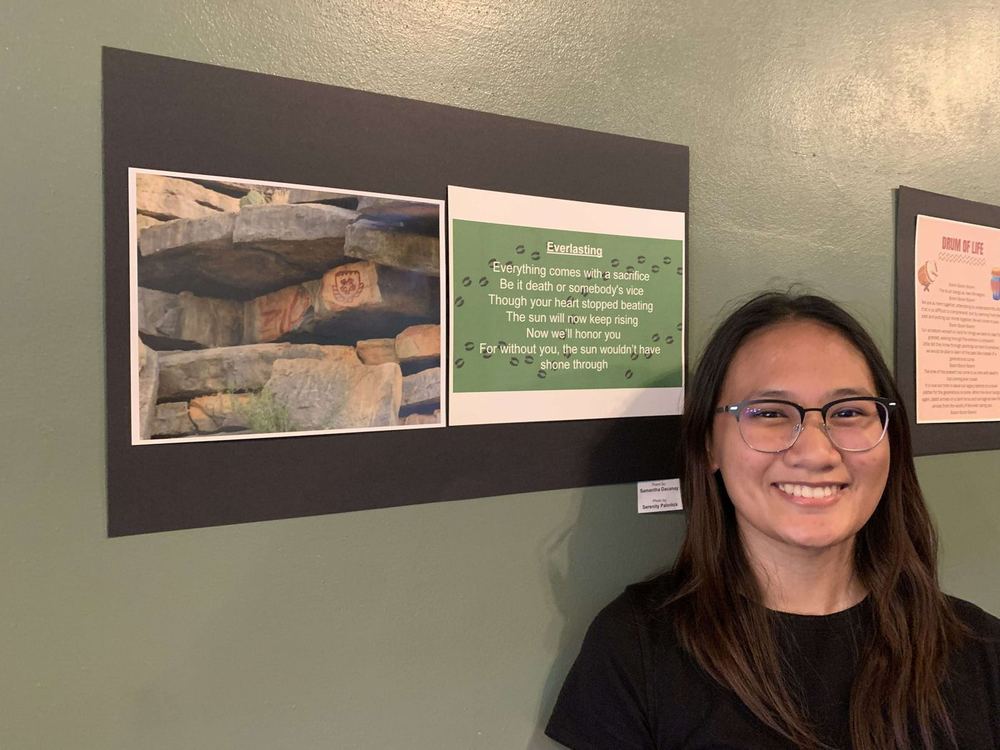
On March 30, 2026, 40 high school English students and photography students from ATEMS High School in Abilene, Texas, toured the Painted Rocks Historic Site with cameras, pens, and journals in hand. Before visiting, the students learned the history of the site, watched interpretive videos from Indigenous elders, and considered the cultural and thematic concerns of the artwork on the limestone bluff.
At the site, students took a tour with guides Bill Campbell, Jeremy Elliott, and Katie Condra. They took pictures, wrote poetry, and collaborated with each other about which images connected most with the ideas they generated in their poetry. Some of this poetry mapped deep and intimate connections with the landscape and with the mythology that is animated there. One student mapped her artistic journey as part of the legacy of the artists at the Painted Rocks, transforming her identity to include them as part of her human story.
On Thursday, April 16, students and teachers shared their poetry and photography at an art exhibit at Cedar Street Coffee Shop in downtown Abilene, Texas, where parents, school administrators, and community members learned about the Painted Rocks Historic Site and the art it inspired in the students. The Abilene community grew more closely connected to the Paint Rock community through this Education and Outreach program of the Painted Rocks Historic Site.
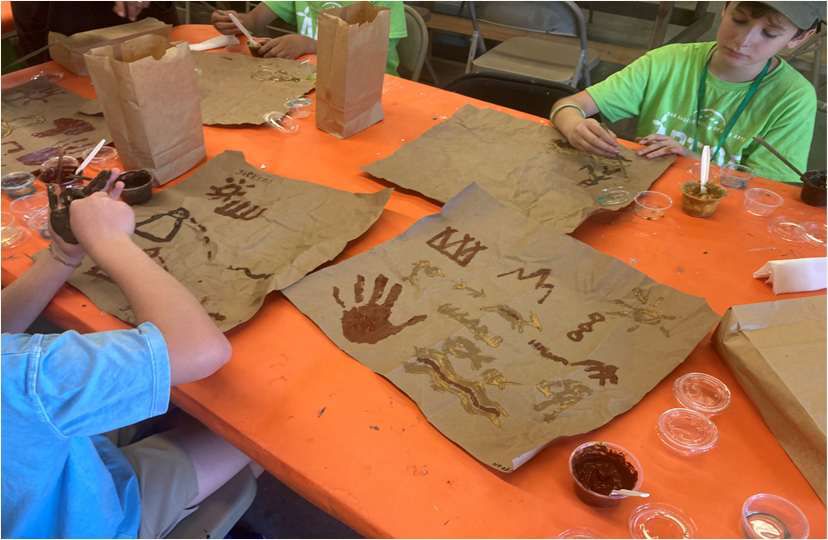
In June, Painted Rocks Historic Site, Inc., partnered with the San Angelo Museum of Fine Arts’ Summer for Kids program, Art of Nature, a nature-inspired art camp for children ages 7–12. Carol Macaulay presented Stories on Stone: Exploring Native American Rock Art, introducing campers to rock art traditions across the American West, with special attention to the Painted Rocks Historical Site. On June 2, she worked with 19 energetic 7–9-year-olds whose creativity sparked lively discussions and imaginative interpretations. On June 23, 15 thoughtful 10–12-year-olds impressed her with their insights and curiosity.
Across both sessions, campers learned that “rock art” is a form of communication. They learned to distinguish petroglyphs from pictographs, examined common motifs, and explored how rock art conveys stories, spiritual beliefs, calendrical events, and community identity. Campers worked through a series of rock art documentation activities in their workbooks where they practiced separating careful observation from thoughtful inference. They created two pictograph compositions using traditional symbols to express personal stories, finishing their art with handprint signatures.
Older campers extended the experience by making their own paint from red, yellow, and brown ochre pigments mixed with “bone marrow” (vegetable shortening) and “yucca root juice” (dish soap). Afterwards, everyone participated in a Stewardship Circle, where they discussed why rock art matters, what threatens its preservation, and how they can help protect cultural sites for future generations.
PRHSI Board Member Eric Schroeder presents recent findings.
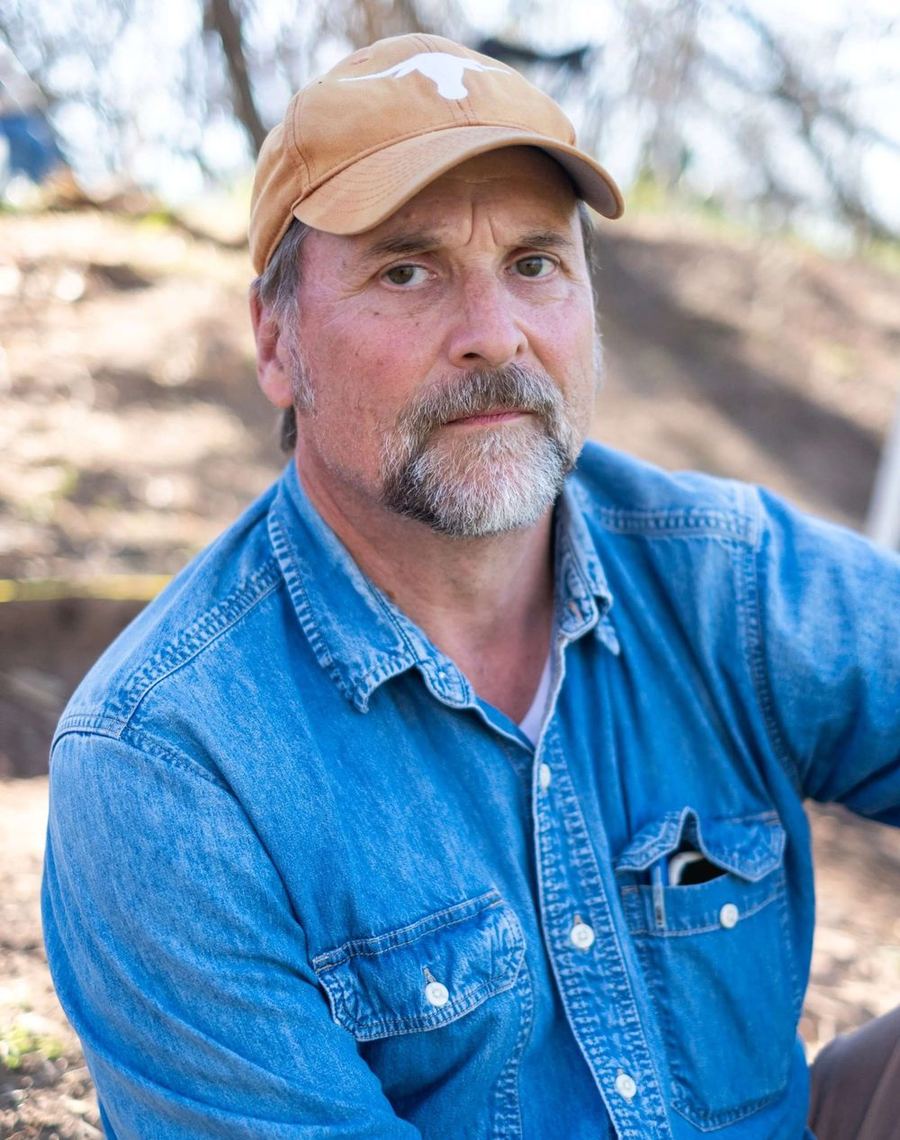
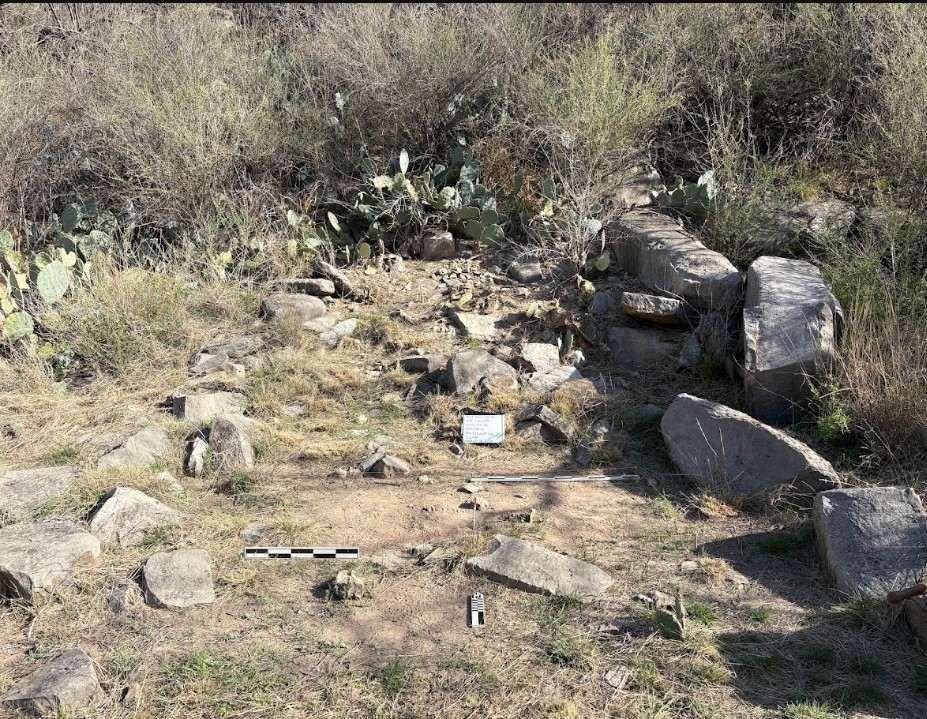
Dr. Eric Schroeder was the guest speaker at the June meeting of the Concho Valley Archeological Society. Dr. Schroeder spoke about the ongoing archaeological investigations at the Painted Rocks Historical Site. This is one of only a few projects in Texas that collaborates with both Native American communities and private landowners to provide a more nuanced understanding of precontact archaeology and the importance of preserving these sites.
From the Native American perspective, Dr. Schroeder explained how his team is going beyond reductionist models currently used to explain prehistoric societies as simple exploitative hunters and foragers to one that investigates the site as a ritual landscape to address how prehistoric communities may have viewed and made sense of their world and their place in it going back at least 1,500 years.
He stated that based on what he has learned from his collaboration with traditional Native American practitioners, he is looking for archaeological patterns that represent ritual and ceremonial structures such as sweat lodges, fasting beds, and medicine wheels – an aspect of archaeology that has rarely been explored in Texas. Furthermore, he is investigating earth ovens and bedrock mortars not only as food processing facilities, but also as potentially being used for the processing of alcohol and other psychotropic substances.
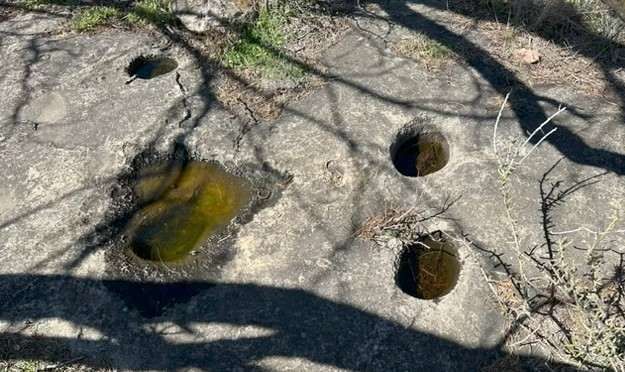
In addition to Native American research at the site, Dr. Schroeder explained how he is learning from, as well as endeavoring to show local landowners how archaeological sites act as windows into the past and the importance of preserving them for future generations of Texans.
Dr. Schroeder is a PRHSI Board member, Principal at the Edwards Plateau Group, affiliated with UT Austin and the Gault School, and author of hundreds of archeological reports.
UT Arlington Prof. and PRHSI Board Member Dr. Hanson takes students to the Painted Rocks.

Rock art can be one of the most challenging classes of material culture in archeological study. Archaeologists rarely receive formal training in the proper ways to document, interpret, and preserve rock art. This spring, Dr. Kelsey Hanson, Assistant Professor of Anthropology at the University of Texas at Arlington (UTA) and PRHSI Board Member taught an “Archaeology of Rock Art Class,” one of the few such classes in the country.
As part of this class, Dr. Hanson organized a field trip to the Painted Rocks Historical Site during spring break. Working in teams, students learned how to systematically document, map, and photograph rock art using standard archaeological site forms. Visitors and guest speakers, including Bill Campbell, Dr. Jeremy Elliott, and Joshua Alkire, shared their perspectives and ongoing work on research, interpretation, and stewardship. The experience reinforced key class lessons in the difference between careful documentation and interpretation, the range of evidence that informs interpretation, and the importance of recognizing and respecting multiple perspectives and viewpoints. The field trip was optional, but almost all 19 students in the class chose to join.
For many pursuing archaeology careers, it was their first field work experience. Student feedback demonstrates how impactful the experience was. One student called it “a truly special, once-in-a-lifetime experience,” noting that “the Paint Rock field trip was a unique and special experience [that] cannot be replicated within the bounds of a classroom or on the grounds of a college campus,” while another simply noted, “though brief, my time at Paint Rock was extraordinary.”
For many, seeing rock art in person offered “a deeper appreciation for its history,” and actually practicing panel documentation and condition assessments, another noted, was the moment that classroom lessons “came alive,” helping to build skills that translate into archaeology jobs, such as cultural resource management.
Beyond technical training, students described the trip as reshaping their view of archaeology’s role in the community. “Working with professionals and community members highlighted why archaeology is important,” one wrote, while another reflected that the trip “deepened my understanding of what it means to do archaeology in Texas.”
By Randy Bissell
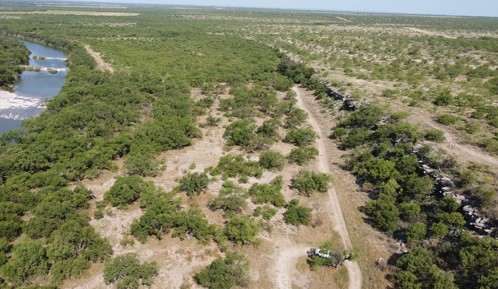
On August 7-8, 2026, we spent two half days at Paint Rock, Texas, with Kim Cox, conducting an initial geological reconnaissance of the pictograph bluff. The purpose was to evaluate whether the site’s geological story could contribute meaningfully to its broader archaeological and historical interpretation. The central question was simple but potentially important: how did the physical geology of the bluff create the surfaces on which the pictographs were placed, and how does that geometry affect how paintings are illuminated and seen?
From a drone’s aerial perspective, the bluff is not a uniform vertical wall. It is a laterally extensive, irregular limestone fault escarpment broken into projecting blocks, recesses, ledges, overhangs, and locally detached slabs. These features appear to be strongly controlled by the interactions of the hard limestone’s bedding and jointing. The aerial perspective also helps relate the cliff geometry to the river corridor, slope position, vegetation, and access along the base of the bluff. The cliff and river remarkably align indicating common structural control.
On the outcrop, we examined the stratigraphy, lithology, bedding character, fossil content, and weathering patterns. The entire bedding sequence contains fossiliferous Permian limestone with abundant evidence of marine life, including gastropods, brachiopods, and many sponges, as well as other bioclastic hash. These fossils provide an entirely different time dimension to the site: long before the bluff became a cultural landscape, these rocks accumulated in a shallow equatorial Permian sea—picture the Bahamas—on the Eastern Shelf of the Permian Basin 275 million years ago. Time has exhumed, faulted, and revealed the stratigraphic layers that started as beach and became the Painted Rocks.
A major part of the reconnaissance focused on the structural fabric of the limestone. Thirty reliable fracture-orientation bearings began to reveal the dominant joint sets. The preliminary dataset shows a strong WNW-ESE/NNE-SSW fracture family, with notable orientations of the joints at 010-020 compass degrees and 040-050 degrees, with a secondary population near roughly 090-120 degrees. Even with only 30 measurements, the pattern is consistent enough to suggest that fracture sets influence the gross trend of the bluff escarpment. Most of the painted pictographs appear on rocks facing south. Whereas other joints appear to create craggy overhangs—points, cracks, and breaks creating the play of light shafts and shadows.
The lithology, bed thicknesses, “stacking pattern,” lateral continuity of beds, joint propagation, and large-scale faulting are part of the art. All aspects of the petrography, stratigraphy, and structure impact suitability and durability of the 1,000 ft. outcrop face as a canvas for the imagery and history held there.
The fracture geometry is important to the visual behavior of the pictographs. Each joint-bounded surface has a different orientation, so sunlight and shadow move differently on panels as solar angles change through the day and year.
The next step should be to collect more complete fracture data to compare orientations low and high on the outcrops, and affirm causations and intentions of light interactions. Cliff-face azimuths for major art panels, improved drone imagery, and seasonal solar geometry can be added to see how geology not only created and preserved the pictograph canvas, but how it also helps control the visual experience.
As with most Texas history, there is a long geologic story here, and there are many levels of investigation possible. We are still considering which methods of geologic analysis will be most relevant and complementary to the research being conducted by the broader team.
Randy Bissell is a Texas Professional Geoscientist, adjunct faculty at Texas A&M University-Corpus Christi, and a Texas Master Naturalist.
Visit. Volunteer. Share.


